
Sharara vs Gharara: What’s the Difference and Which One Should You Wear?

Sharara and gharara are two of the most recognisable silhouettes in South Asian occasion wear. They can look similar at first glance, but the construction, fall and overall styling are different. If you are shopping for a wedding, Eid gathering or festive event, knowing the difference makes it much easier to choose the right outfit.
What is a Sharara?
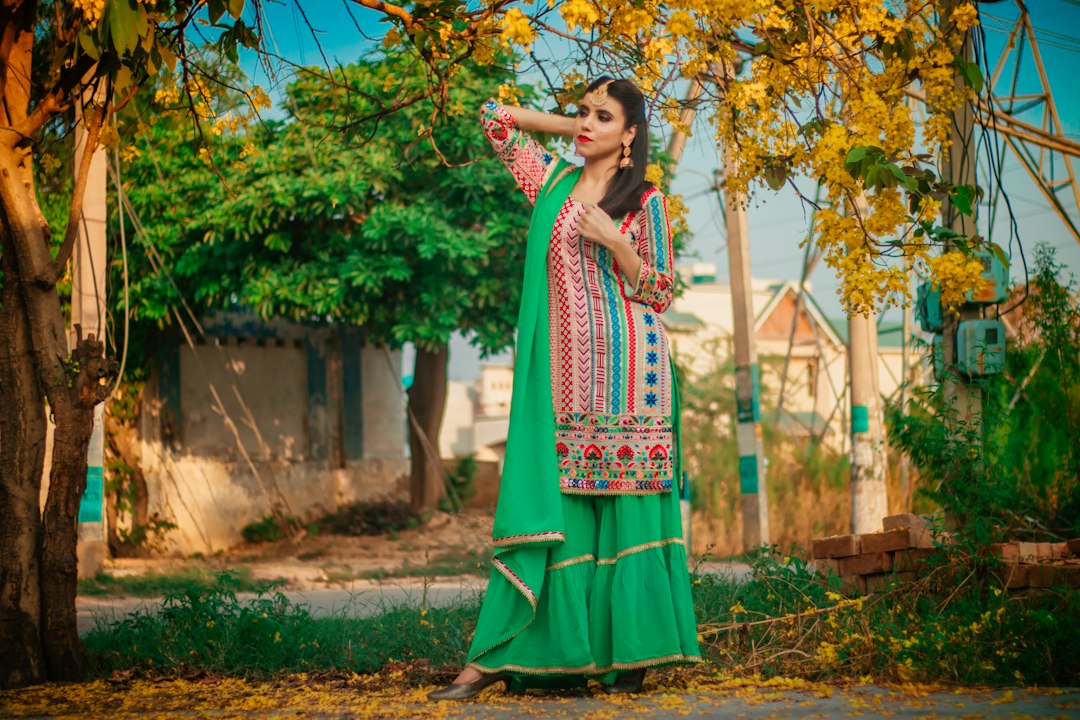
A sharara is a wide-legged trouser style that usually falls in a continuous, flowing shape from the waist or upper hip. The legs are deliberately wide, creating a dramatic, graceful movement when you walk. A sharara is often paired with a short or medium-length shirt and a dupatta, although modern designs can use longer shirts as well.
Because the silhouette is fluid, fabrics such as silk, chiffon, tissue and lightweight blends can create an elegant festive look. For a softer daytime outfit, lawn and other breathable fabrics can work beautifully.
What is a Gharara?
A gharara traditionally has a more defined construction. The trouser leg is fitted around the upper leg and then flares dramatically from a lower seam, often around the knee. That seam can be highlighted with lace, embroidery, piping or a contrasting fabric.
The result is a structured silhouette with a distinctive flare. Ghararas are especially popular for traditional wedding and mehndi looks because the lower flare gives the outfit a strong visual identity.
Sharara vs Gharara at a Glance
| Feature | Sharara | Gharara |
|---|---|---|
| Silhouette | Wide and flowing from higher up | Fitted upper leg with a lower flare |
| Construction | Usually a continuous wide-leg shape | Often has a visible flare seam |
| Look | Fluid and graceful | Structured and dramatic |
| Best for | Festive, Eid and wedding wear | Weddings, mehndi and traditional occasions |


Which One Should You Choose?
Choose a sharara if you prefer a fluid, elongated look and want plenty of movement. It is also a versatile choice when you want to balance a detailed shirt or dupatta without making the lower half feel too structured.
Choose a gharara if you like a more defined traditional silhouette. The flare seam creates a natural focal point and works particularly well with embroidered shirts, embellished borders and statement dupattas.
How to Style Them
- For a wedding: pair silk, tissue or embellished fabric with a detailed shirt and a lightweight dupatta.
- For mehndi: brighter colours, printed fabrics and playful borders work well with the movement of the silhouette.
- For Eid: choose a cleaner shirt, refined embroidery and a comfortable fabric for a polished but wearable look.
- For a modern look: keep the shirt simpler and let the trouser silhouette or dupatta provide the statement.
Final Tip
There is no universal “better” option. The right choice depends on the event, fabric, shirt length and the type of silhouette you feel comfortable wearing. If you are still deciding, start with the overall look you want—flowing and graceful points toward a sharara, while a more structured flare points toward a gharara.
Explore women’s clothing at Enaro for unstitched and festive outfit options, and browse the Enaro shop for current collections.